FGC IN THE MEDIA

Media plays an important role in how people understand female genital cutting (FGC). The practice has often been hidden or is considered “taboo” to discuss, so news stories, public health websites and social media posts help increase public awareness.
Different types of media show FGC in different ways. Some focus more on the experiences of people who have gone through the practice. Others focus on health information. Some platforms provide education or encourage debate. Together, these different types of media shape how the public views FGC and how the voices of experiencers, advocates, and community members are heard.

What’s on this page?
As you scroll, you will see examples of different videos, articles or posts about FGC. These are just examples of the types of content that exist online and in the news. When you look at these resources, you may feel that they do a good job talking about FGC. Or, you might feel frustrated about how they represent the practice or survivor experiences.
Either way, we are here to help you find your voice when it comes to thinking about and talking about FGC.
News Media in the United States
“News media” is the term we usually use for the large, mainstream organizations you see on the radio, on TV, and online. These organizations employ journalists and reporters, who research events and topics and then provide information and analysis to the public.
Sometimes, this information is presented in an unbiased, or neutral, way. Often, however, a media organization shares information in a way that supports certain goals or perspectives. This is called “media bias.” It may not represent how the people impacted by an issue actually feel. Or it may only show one side of a story.
-
![]()
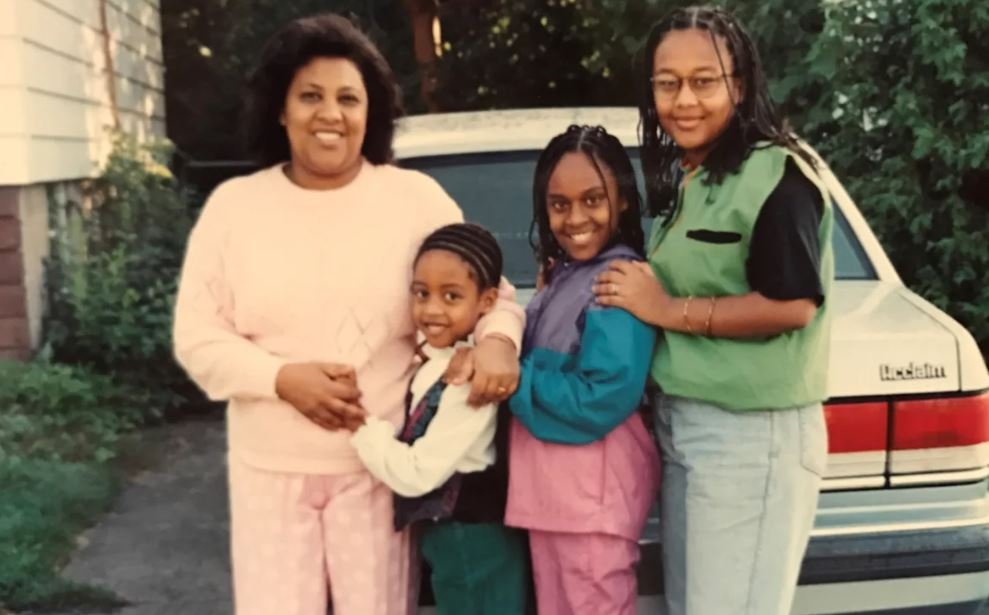
3 US women share the horrors of female genital mutilation
By Sonia Moghe
CNN Health (2017)
FOCUS: Survivor voices and personal experience.OUR TAKE: Instead of mainly explaining laws or statistics, CNN lets women in the U.S. tell their own stories about going through FGC as children. Their perspective is emotional and personal. They describe feeling pain, confusion, and silence because they were told not to talk about what happened.
The article shows how the experience stayed with them into adulthood, affecting their health and emotional well-being. CNN’s approach is centered on human impact, making readers understand FGC through real lives rather than just information.
It also highlights how survivors are now choosing to speak out, turning their experiences into advocacy to help protect other girls.
REFLECT: How does the title of the article make you feel? Does that match how the article makes you feel?
-
![]()
Underground in America: Female Genital Mutilation
By Olivia Smith and Teri Whitcraft
FOCUS: An investigative and awareness-based perspective.OUR TAKE: This article focuses on how FGC can still happen in secret in the United States, even though it is illegal. Instead of focusing mainly on individual emotional stories, ABC News looks at systems, communities, and enforcement challenges.
It includes survivor interviews, but also talks about how difficult it is for authorities to detect FGC when it happens privately or within trusted communities. The perspective here is that FGC is a hidden public health and legal issue, and the main message is about awareness and prevention. It shows concern about gaps in protection and emphasizes that stopping FGC requires education and stronger reporting systems.
REFLECT: Does the fact that the title uses “mutilation” vs. “cutting” impact your perspective?